ne arıyorsun?
Sıcak bir egzoz borusu, çapının gösterdiğinden çok daha büyük bir termal sorun yaratabilir.
Bir araçta, jeneratör muhafazasında, deniz motoru odasında veya endüstriyel makinede, egzoz borusu elektrik kablolarından, hidrolik hortumlardan, yakıt hatlarından, gövde panellerinden, sensörlerden veya servis alanlarından sadece birkaç santimetre uzakta olabilir. Egzoz sistemi çalışma sıcaklığına ulaştığında, bu küçük boşluk tüm termal tasarımın kritik noktası haline gelebilir.
Burasıegzoz borusu izolasyonugerekli hale gelir.
Doğru yalıtım sistemi, sıcak bir boruyu örtmekten daha fazlasını yapar. Isıyı kontrol ederken titreşime, tekrarlanan termal döngülere, kirlenmeye, harekete ve bakıma dayanmalıdır.
Bu nedenle, yalıtım malzemesini yalnızca sıcaklık derecesine göre seçmek nadiren yeterlidir.
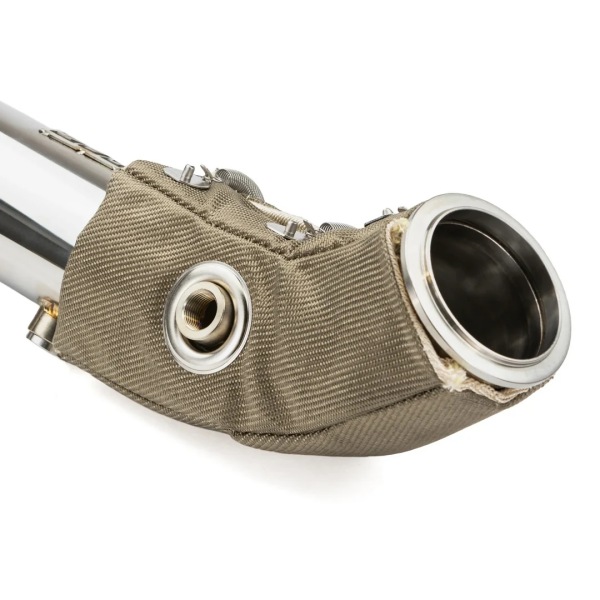
BSTFLEX geliştiriyoregzoz ısı kalkanı yalıtımıOtomotiv, dizel, denizcilik, jeneratör ve endüstriyel egzoz sistemleri için, sökülebilir boru örtüleri, izolasyon malzemeleri, ısı yalıtım sargıları, esnek kılıflar ve metal ısı bariyerleri dahil olmak üzere çeşitli ürünler.
Yalıtım malzemesi seçmeden önce, hangi sorunun çözülmesi gerektiğini belirleyin.
Egzoz borusunun yalıtıma ihtiyacı olmasının nedenleri şunlar olabilir:
Yakındaki bir kablo demeti aşırı ısınıyor;
Ortam sıcaklığı çok yüksek;
Operatörler sıcak yüzeylere maruz kalırlar;
Isı, yakıt veya hidrolik hattına ulaşıyor;
Araç tabanı aşırı miktarda radyasyonel ısıya maruz kalıyor;
Makine dairesinde yeterli havalandırma yok;
Egzoz borusu aşağı yönde daha fazla ısıyı tutmalıdır;
Çevredeki ekipmanlar mevcut sıcaklığa dayanamıyor.
Bunlar farklı sorunlar.
Egzoz borusu sıcaklığı aynı olsa bile farklı yalıtım sistemlerine ihtiyaç duyabilirler.
Örneğin, bir aracın tabanını yayılan ısıdan korumak için yansıtıcı bir kalkan tercih edilebilirken, bir jeneratör egzoz borusunun dış yüzey sıcaklığını düşürmek için kalın, çıkarılabilir bir yalıtım örtüsü gerekebilir.
Egzoz borusu izolasyonu genel olarak dört pratik kategoriye ayrılır.
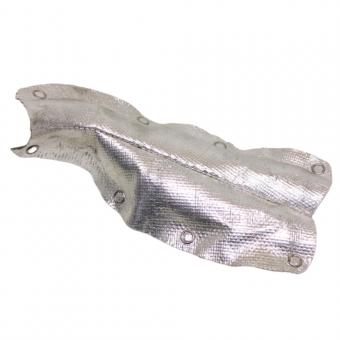
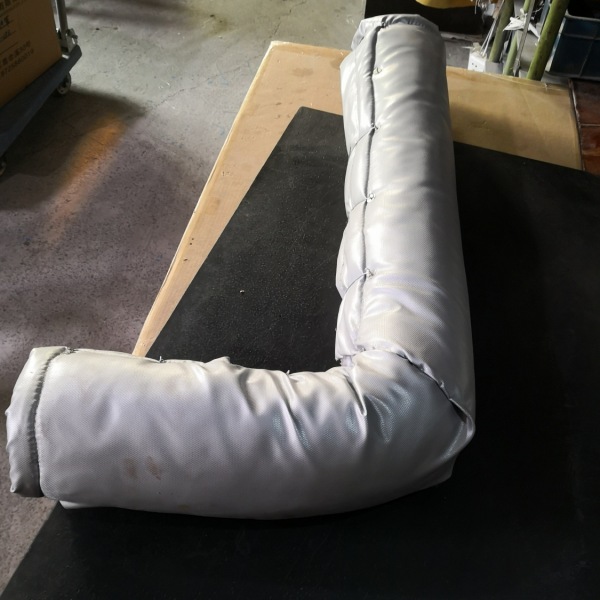
Çıkarılabilir bir örtü, belirli bir boru çapına veya egzoz geometrisine uyacak şekilde üretilir.
Normalde şunları içerir:
İç kısımda ısıya dayanıklı bir katman;
ısı yalıtımı;
dış koruyucu bir katman;
mekanik bağlantı.
Bu yapı, özellikle bakım erişiminin önemli olduğu durumlarda uygundur.
Tipik kurulumlar şunları içerir:
dizel jeneratörler;
deniz motorları;
endüstriyel motorlar;
büyük egzoz boruları;
susturucular;
egzoz dirsekleri.
Battaniye, tek parça halinde değil, birkaç bölüm halinde üretilebildiğinden, teknisyenler inceleme için yalnızca gerekli olan bölümü çıkarabilirler.
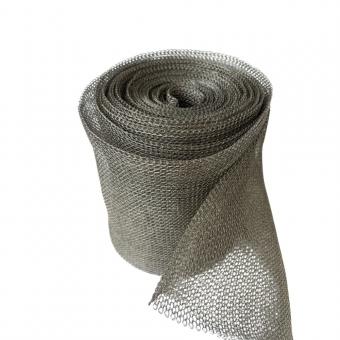
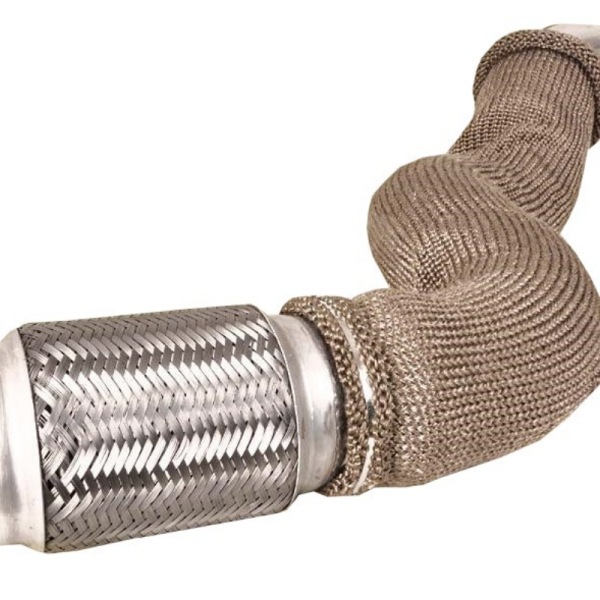
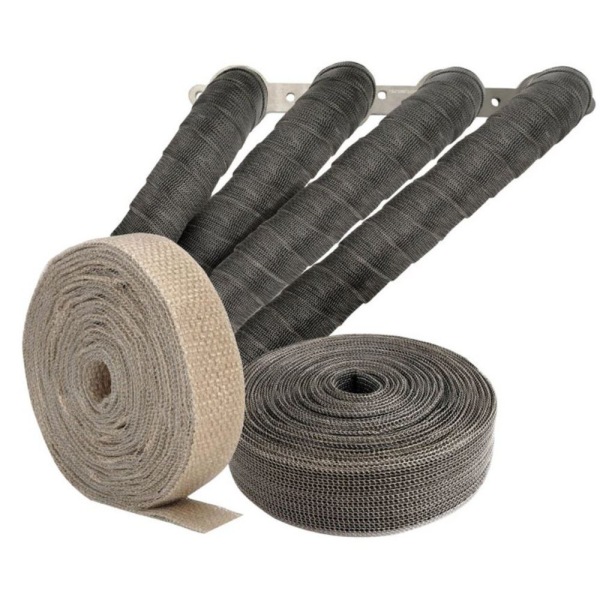
Egzoz sargısı rulo halinde tedarik edilir ve borunun etrafına spiral şeklinde sarılır.
Yaygın olarak şu amaçlarla kullanılır:
otomotiv egzoz manifoldları;
motosikletler;
performans egzoz sistemleri;
küçük çaplı egzoz boruları;
Özel egzoz imalatı.
BSTFLEX tedarikleriEgzoz ve Manifold Isı Yalıtım Bandıfarklı yüksek sıcaklık elyaf yapılarında.
Boru şeklindeki uzun yüzeyleri yalıtmak için sargı basit bir yöntem sunar, ancak egzoz sisteminin düzenli olarak bakım için açılması gerektiğinde daha az kullanışlıdır.
Bazı egzoz hatları, özel olarak üretilmiş bir örtü yerine manşon tipi bir çözüme ihtiyaç duyar.
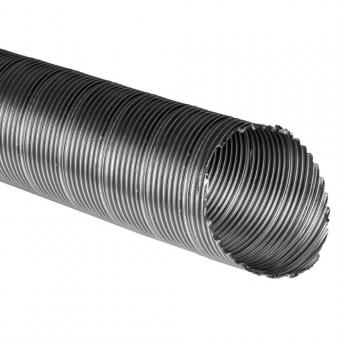
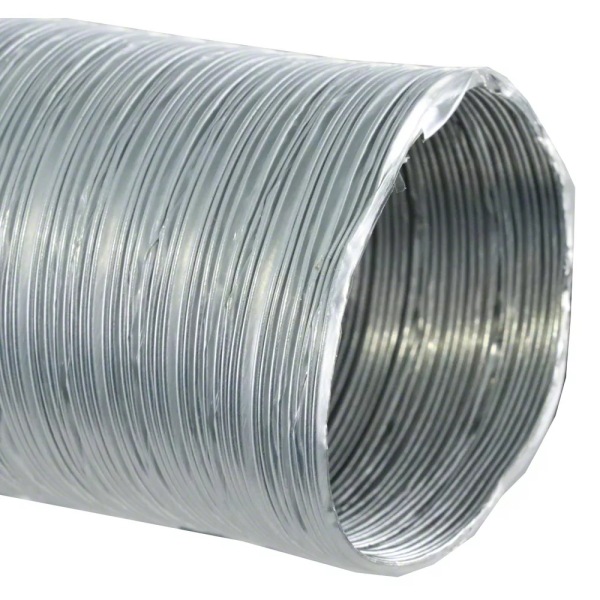
Çapı ve geometrisi nispeten basit olan daha küçük egzoz borularının üzerine esnek yalıtım malzemesi takılabilir.
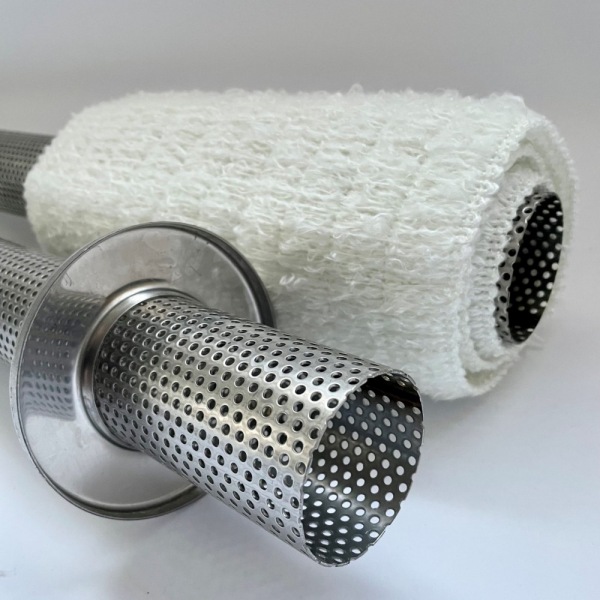
Örneğin, BSTFLEXDizel Isıtıcı Egzoz Yalıtım MalzemesiDizel ısıtma sistemleri gibi uygulamalarda kullanılan kompakt egzoz boruları için tasarlanmıştır.
Kılıf ve yalıtım çözümleri özellikle şu durumlarda faydalı olabilir:
Kurulum alanı sınırlıdır;
Boru nispeten küçüktür;
Sürekli kapsama gereklidir;
Sert bir kalkanın montajı zor olurdu.
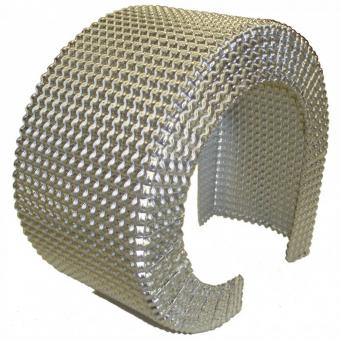
Metal bir kalkanın boruya mutlaka temas etmesi gerekmez.
Bunun yerine, genellikle kalkan ile ısı kaynağı arasında kontrollü bir boşluk bırakılarak monte edilir.
Bu düzenleme, yakındaki bileşenlere yayılan ısıyı azaltmada özellikle etkilidir.
Yaygın olarak kullanılan malzemeler şunlardır:
alüminyum;
paslanmaz çelik;
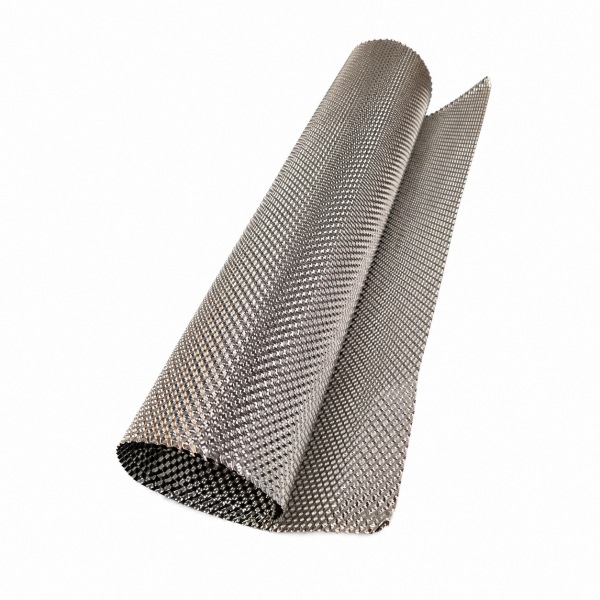
Kabartmalı paslanmaz çelik;
nikel alaşımları.
Aşağıdaki durumlarda metal bir ısı kalkanı tercih edilebilir:
Montaj kalınlığı düşük kalmalıdır;
Mekanik darbelere karşı dayanıklılık önemlidir;
Kalkan belirli bir şeklini korumalıdır;
En büyük endişe kaynağı yayılan ısıdır.
Zorlu ortamlar için BSTFLEX ayrıca üretim yapmaktadır.Alaşım 625 Inconel Isı Kalkanıbileşenler.
Bu terimler sıklıkla birbirinin yerine kullanılır, ancak mühendislikteki işlevleri farklılık gösterebilir.
Egzoz borusu izolasyonuNormalde boruyu çevreleyen ve yalıtım katmanı yoluyla ısı transferini sınırlayan bir yapıdır.
Biregzoz borusu ısı kalkanıNormalde boru ile korunması gereken parça arasında bulunur.
Biri ısı içeriyor.
Diğeri ise onu engeller veya yönlendirir.
Bazı egzoz sistemlerinde her ikisi de kullanılır.
Dizel motorlarda egzoz borusunun etrafında çıkarılabilir bir yalıtım örtüsü bulunabilirken, yakındaki elektrik muhafazasını paslanmaz çelik bir kalkan korur.
That combination can provide better thermal control than either solution alone.
Material selection should begin with continuous operating conditions.
Fiberglass is one of the most widely used materials for exhaust insulation.
Advantages include:
flexibility;
good thermal resistance;
availability in many constructions;
practical manufacturing cost.
Fiberglass can be used in:
blankets;
tapes;
wraps;
sleeves;
composite heat shields.
It is often suitable for moderate and high-temperature exhaust applications where extreme temperature exposure is not continuous.
High silica material is selected when higher heat resistance is required.
It may be used as:
outer fabric;
inner hot-side layer;
insulation textile;
heat-resistant wrap.
Silica constructions are useful around:
turbocharged exhaust systems;
manifolds;
high-output diesel engines;
industrial exhaust equipment.
Basalt-based materials are frequently used in automotive and performance exhaust insulation.
They offer:
flexible installation;
strong heat resistance;
good compatibility with wrapped exhaust tubes.
Basalt is often seen in heat wrap and shaped blanket applications.
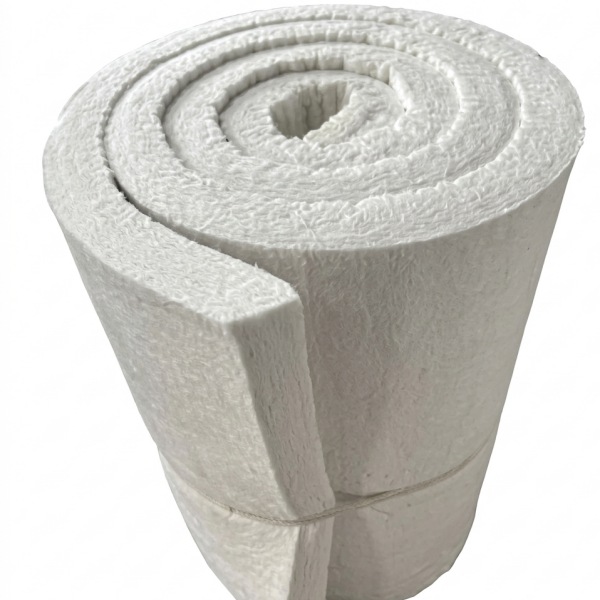
Where a greater temperature reduction is required within limited space, high-temperature insulation cores may be used.
These materials are normally enclosed within:
fiberglass fabric;
silica fabric;
stainless steel foil;
stainless steel mesh.
The insulation core should not be evaluated separately from the blanket construction.
Aluminum is primarily used as a reflective surface rather than a thick insulation medium.
Its low weight makes it particularly suitable for:
automotive underbody protection;
exhaust pipe heat shields;
muffler shields;
vehicle floor insulation.
Stainless steel is preferred where the exhaust heat shield also requires mechanical strength.
It performs well in applications exposed to:
vibration;
road debris;
repeated thermal cycling;
higher temperatures.
Nickel alloys such as Alloy 625 are reserved for demanding environments where temperature, oxidation and corrosion requirements exceed the limits of conventional sheet metals.
A thicker insulation layer generally reduces heat transfer more effectively, but this does not mean the thickest available blanket is automatically the best design.
Increasing thickness can create problems with:
component clearance;
mounting brackets;
adjacent pipe routing;
sensor access;
engine compartment packaging.
In tightly packaged automotive systems, only a few millimeters of space may be available.
In a large generator enclosure, considerably thicker insulation may be practical.
The correct insulation thickness should therefore balance thermal performance with installation geometry.
Diesel exhaust pipes frequently operate for long periods under load.
Heat containment becomes especially important in:
trucks;
construction equipment;
agricultural machinery;
industrial engines;
stationary power systems.
A removablediesel exhaust pipe insulationsystem can reduce heat released into the surrounding engine compartment while still allowing service access.
Generator exhaust piping often runs through compact acoustic enclosures.
This creates a concentrated heat source close to:
electrical cabinets;
acoustic materials;
engine components;
service areas.
A generator exhaust insulation system commonly uses removable sections around pipes, elbows and silencers.
This also allows the insulation to be removed during maintenance without replacing the entire system.
Marine exhaust systems present additional concerns including:
limited ventilation;
moisture;
salt exposure;
vibration;
restricted service space.
For dry marine exhaust systems, segmented blankets are often preferred because they allow easy access to flanges and exhaust connections.
Passenger and performance vehicles use exhaust insulation for:
headers;
downpipes;
catalytic converters;
center exhaust pipes;
mufflers.
Depending on available space, solutions may include:
wrap;
shaped blanket;
metal shield;
reflective barrier.
Industrial engines and machinery may use large-diameter exhaust lines that require customized blanket sections.
These applications often place greater importance on:
durability;
repeatable installation;
service access;
identification of individual insulation sections.
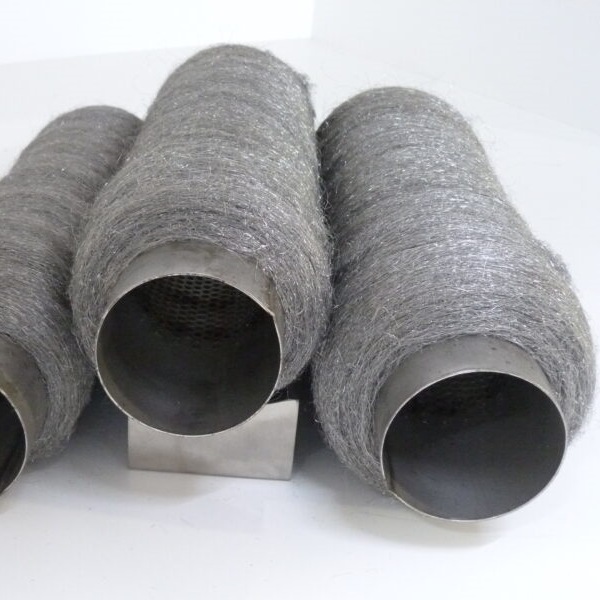
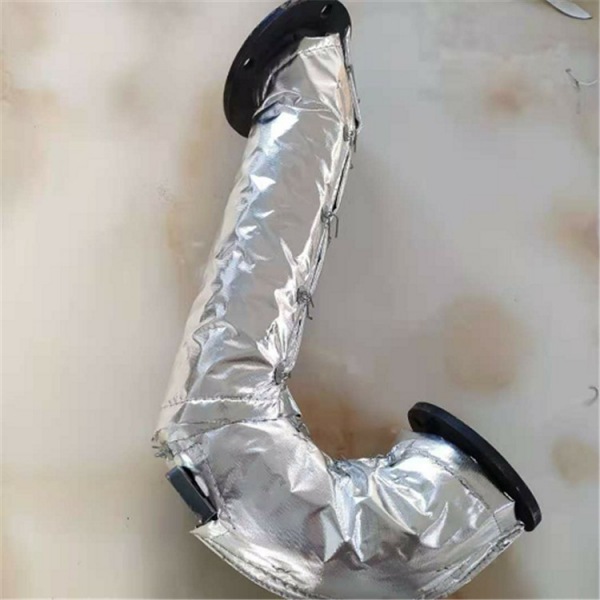
A bend is often more difficult to insulate than a straight pipe.
Wrap can follow gradual bends, but large industrial elbows may benefit from a fitted insulation blanket.
The BSTFLEXThermal Insulation Elbow Blanketis designed for curved exhaust geometry where a standard flat insulation section cannot maintain consistent coverage.
A well-designed elbow blanket should consider:
bend radius;
flange position;
pipe diameter;
seam location;
fastener access.
One of the most common weaknesses in an exhaust insulation system is the flange area.
A thick blanket may work well on the pipe but leave a large exposed metal flange.
That exposed section can become a strong local heat source.
For higher-performance systems, insulation should therefore be designed around:
flange diameter;
bolt access;
connection points;
sensors;
expansion joints.
A removable flap or separate flange blanket may be used where regular access is required.
For serious OEM projects, saying “we need exhaust insulation” is not enough.
A better specification is:
exhaust pipe operating temperature;
ambient temperature;
pipe diameter;
required outer surface temperature;
insulation thickness limit;
airflow condition.
This allows the insulation design to be evaluated against a measurable target.
Without these conditions, it is difficult to compare two insulation systems accurately.
Maintenance requirements are particularly important for:
marine engines;
generators;
mining equipment;
construction machinery;
industrial engines.
If technicians need frequent access to exhaust joints or engine components, permanent wrap can create additional maintenance work.
A removable blanket is usually more practical in these situations.
A segmented system may be designed so that:
each section has an identification mark;
only the required section is removed;
the blanket can be reinstalled after inspection.
This reduces disruption during service.
A high published temperature rating does not guarantee that the complete insulation system will perform correctly.
The full assembly must be considered.
An insulation material that performs well in a laboratory may fail quickly if it rubs continuously against a bracket or neighboring component.
Insulation should not prevent access to:
sensors;
clamps;
inspection ports;
flange bolts.
An exhaust system may need different thermal solutions in different areas.
For example:
manifold: shaped blanket;
straight pipe: wrap;
elbow: removable blanket;
muffler: metal shield.
The outer layer must suit the operating environment, not just the temperature.
Instead of selecting exhaust insulation by material name, use the following sequence.
For a simple tubular pipe:
Consider exhaust wrap or sleeve insulation.
For a pipe that requires regular inspection:
Use a removable pipe insulation blanket.
For an irregular elbow or flange:
Use a custom shaped blanket.
For protecting a nearby panel from radiant heat:
Use a metal or reflective heat shield.
For extreme heat and demanding environments:
Evaluate high-silica, high-temperature fiber, stainless steel or nickel-alloy constructions.
This approach is more reliable than choosing one product type for the complete exhaust system.
For accurate design and quotation, provide:
Pipe dimensions
outside diameter;
overall insulated length;
bend radius;
flange dimensions.
Temperature
normal operating temperature;
maximum temperature.
Installation environment
automotive;
marine;
generator;
industrial;
outdoor;
enclosed.
Service requirement
removable;
permanent;
frequency of maintenance.
Performance requirement
target external temperature;
maximum insulation thickness.
Project information
sample or drawing;
prototype quantity;
expected production volume.
The more complete the input data, the easier it is to design an insulation system that fits correctly from the first prototype.
Exhaust pipe insulation is worth considering whenever an exhaust line creates unacceptable heat exposure for the surrounding system.
The decision should be driven by actual conditions rather than by appearance.
If the objective is to lower heat around the pipe, protect surrounding components or create a safer service environment, an insulation blanket, wrap, sleeve or heat shield may be appropriate.
For applications involving multiple exhaust components, the best result often comes from combining several insulation methods.
BSTFLEX manufacturesexhaust heat shield insulation, removable blankets, exhaust wraps, lagging and custom metal heat shields for automotive, marine, diesel, generator and industrial exhaust systems.
Özel egzoz borusu izolasyonu için, boru boyutlarını, çalışma sıcaklığını, montaj ortamını ve gerekli miktarı belirtin. Ardından, genel bir sıcaklık derecesine göre değil, gerçek egzoz sistemine uygun bir izolasyon yapısı seçilebilir.

No.10, Chuangxin North Road, Nanshan Park, Ningguo Economic and Technological Development Zone, Ningguo City, Anhui Province, China
tel/Whatsapp : 0086-15856303740
e-posta : sales@bstbraidedsleeve.com
Skype : vanesa-cheng