ne arıyorsun?
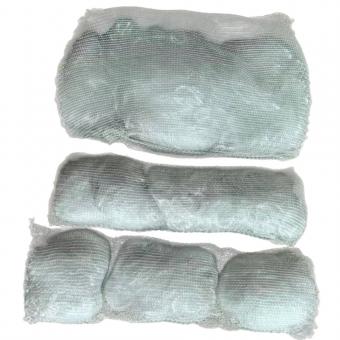
A Yüksek Sıcaklık Susturucu Paketleme Yastığı Bu, modern egzoz sistemlerinin içindeki aşırı koşullara dayanacak şekilde tasarlanmış, mühendislik ürünü bir akustik ve termal yalıtım bileşenidir. Gelişmiş yüksek sıcaklık lifleri kullanılarak üretilen bu bileşen, motosikletler, otomotiv sistemleri, arazi araçları, endüstriyel motorlar ve performans egzoz sistemleri için uzun süreli gürültü azaltma, egzoz stabilitesi ve termal koruma sağlar.
Geleneksel gevşek dolgu malzemesinden farklı olarak, yastık, sürekli ısıya, titreşime ve egzoz gazı akışına maruz kalsa bile kontrollü yoğunluğunu, tutarlı akustik emilimini ve güvenilir mekanik yapısını korur.

Yüksek sıcaklıklara dayanıklı susturucu yastıkları genellikle bir veya daha fazla gelişmiş elyaf malzemeden üretilir. Her malzeme kendine özgü termal, akustik ve mekanik avantajlar sunar.
Genel sıcaklık limiti:
Yaklaşık 600°C'ye kadar
Faydalar:
Hafif
Uygun maliyetli
İyi akustik emilim
Standart egzoz sistemleri için uygundur.
Genel sıcaklık limiti:
Yaklaşık 800°C'ye kadar
Faydalar:
Fiberglastan daha yüksek ısı direnci
Çevre dostu ve doğal kaynaklı
Mükemmel ses yalıtımı
Geliştirilmiş mekanik dayanıklılık
Genel sıcaklık limiti:
1000°C'nin üzerinde
Faydalar:
Olağanüstü termal kararlılık
Yarış ve yüksek performanslı motorlar için idealdir.
Yoğun ısı altında bile yoğunluğunu korur.
Endüstriyel susturucular ve ağır hizmet makineleri için uygundur.
Genel sıcaklık limiti:
Kaliteye bağlı olarak 700°C–750°C
Faydalar:
Maksimum uzun ömür
Titreşime ve geri basınç darbelerine karşı mükemmel direnç.
Bozulmaz veya yanmaz.
Uzun kullanım ömrü gerektiren uygulamalar için idealdir.
Yüksek performanslı yastıklar, örneğin birden fazla elyafı bir arada kullanabilir:
Seramik elyaf + paslanmaz çelik yünü
Bazalt lifi + fiberglas
Fiberglas + metalik ağ takviyesi
Bu kombinasyonlar, özel egzoz sistemleri için ses emilimini, termal kararlılığı ve dayanıklılığı optimize eder.
Yüksek sıcaklık susturucu dolgu yastıkları, zorlu ortamlarda yapısal ve akustik performansı korumak üzere tasarlanmıştır. Başlıca termal özellikleri şunlardır:
Fiberglas: 450°C–600°C
Bazalt Elyafı: 700°C–800°C
Seramik Elyaf: 1000°C+
Paslanmaz Çelik Yünü: 700°C+
Hızlanma, yarış veya endüstriyel yanma döngüleri sırasında susturucularda ani ısı artışları yaşanabilir. Yüksek sıcaklık yastıkları, bu koşullar altında çökmeyi, yanmayı veya malzeme bozulmasını önler.
Yastık şu koşullara dayanacak şekilde tasarlanmıştır:
Güçlü egzoz darbeleri
Geri basınç dalgalanmaları
Motorlardan veya arazi koşullarından kaynaklanan yüksek titreşim
Bu, tutarlı ses emilimini ve bileşenlerin daha uzun ömrünü sağlar.
Yoğun lif matrisi, egzoz ses dalgalarını emerek daha sessiz, daha derin ve daha istikrarlı bir egzoz sesi üretir.
Yüksek sıcaklığa dayanıklı malzemeler, sürekli ısıya maruz kalsalar bile şekillerini ve performanslarını koruyarak zamanla bozulmalarını önler.
Düzgün şekilde doldurulmuş bir susturucu, optimum geri basınç kontrolü sağlayarak daha düzgün motor performansını ve tutarlı egzoz gazı hareketini destekler.
Yüksek sıcaklığa dayanıklı lifler yanmaya, erimeye ve sıkışmaya karşı dirençlidir, bu da hem susturucunun hem de dolgu malzemesinin ömrünü uzatır.
Önceden paketlenmiş yastıklar, gevşek malzeme paketlemesinin tutarsızlıklarını ortadan kaldırarak, OEM üretimi ve satış sonrası yükseltmeler için öngörülebilir performans sağlar.
Yüksek sıcaklığa dayanıklı susturucu dolgu yastıkları, egzoz sistemlerinin aşırı ısı, titreşim veya akustik taleplerle karşılaştığı her yerde kullanılır.
Performans otomobilleri
Yarış egzoz sistemleri
Turboşarjlı motorlar
Satış sonrası performans susturucuları
İki zamanlı ve dört zamanlı motorlar
Arazi koşullarında yüksek titreşimli ortamlar
Gürültü kontrollü egzoz sistemleri
Jeneratörler
Kompresörler
İnşaat makineleri
Tarım ekipmanları
Madencilik ekipmanları
Fabrika egzoz sistemleri
Yüksek performanslı dizel motorlar
Motorlu testereler
Yaprak üfleyiciler
Taşınabilir jeneratörler
Her uygulamada, susturucu dolgu yastığı istikrarlı akustik performans ve uzun süreli ısı direnci sağlar.
Modern motorlar daha yüksek yanma sıcaklıklarında ve artan egzoz hızlarında çalışır. Sonuç olarak, geleneksel yalıtım malzemeleri daha hızlı bozulur, tutarsız ses üretir ve daha fazla bakım gerektirir.
Yüksek sıcaklık Susturucu Paketleme Yastıkları Bu sorunları aşağıdaki yöntemlerle çözebilirsiniz:
Güvenilir gürültü kontrolü
Susturucu gövdeleri için termal koruma
Ürün ömrünün uzaması
Daha düşük bakım maliyetleri
Aşırı koşullarda istikrarlı performans
Bu durum, üreticiler ve son kullanıcılar için daha iyi motor verimliliği, gürültü yönetmeliklerine uyum ve genel kullanıcı deneyiminde iyileşme anlamına gelir.

No.10, Chuangxin North Road, Nanshan Park, Ningguo Economic and Technological Development Zone, Ningguo City, Anhui Province, China
tel/Whatsapp : 0086-15856303740
e-posta : sales@bstbraidedsleeve.com
Skype : vanesa-cheng