ne arıyorsun?
Çoğu park ısıtıcı montajı için, fiberglas egzoz borusu izolasyonu Esnek, hafif bir koruma ve kolay ısı azaltma istediğinizde pratik bir seçimdir. silikon egzoz kılıfı Egzoz yolunun aşınmaya, sıçramaya, yağlara veya daha zorlu çalışma koşullarına maruz kaldığı ve daha dayanıklı bir dış yüzeye ihtiyaç duyulduğu durumlarda genellikle daha iyidir. BSTFLEX her iki seçeneği de sunmaktadır. dizel ısıtıcı egzoz borusu izolasyonu .
Eğer seçim yapıyorsanız egzoz borusu için izolasyon Otopark ısıtıcısında en iyi malzeme üç şeye bağlıdır: montaj alanı, çevresel etkilere maruz kalma ve kılıfın zaman içinde ne kadar fiziksel yıpranmaya maruz kalacağı.
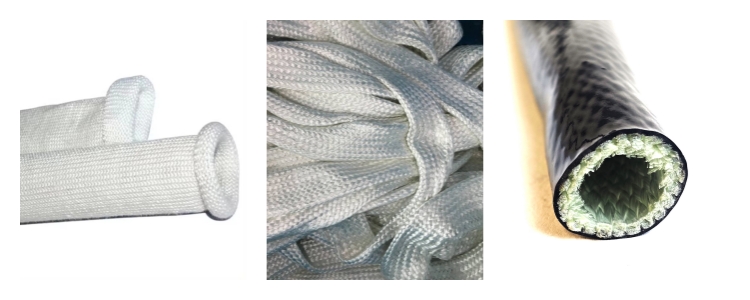
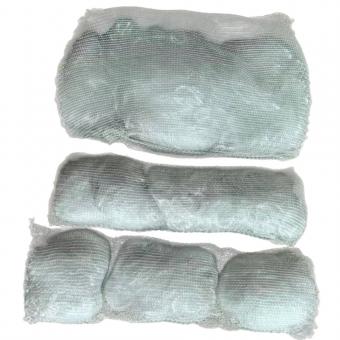
Fiberglas esaslı izolasyon, esnek, kullanımı kolay ve egzoz yüzey sıcaklığını düşürmede etkili olduğu için park ısıtıcı egzoz borularında yaygın olarak kullanılmaktadır. BSTFLEX, bu özelliklerini şu şekilde açıklamaktadır: Fiberglas Egzoz Yalıtım Çorabı Egzoz yüzey sıcaklıklarını önemli ölçüde düşüren ve denizcilik ve karavan tesisatları gibi dar alanlar için oldukça uygun bir çözümdür.
Bu da fiberglasın şu durumlarda güçlü bir seçenek olmasını sağlar:
İlgili BSTFLEX ürünleri şunlardır:
Silikon kaplı izolasyon, fiberglas taban üzerine daha koruyucu bir dış katman ekler. BSTFLEX, bunun şu anlama geldiğini belirtiyor: Yüksek Sıcaklığa Karşı Koruyucu Silikon Egzoz Kılıfı Silikon kaplı fiberglastan üretilmiştir ve ısıya, aşınmaya, kimyasallara ve yağlara karşı dayanıklı olacak şekilde tasarlanmıştır; ayrıca yakındaki bileşenleri ısıya bağlı hasarlardan korur.
Bu da silikonu şu durumlarda daha iyi bir seçenek haline getiriyor:
BSTFLEX, silikon egzoz kılıfı hakkındaki makalesinde, silikon kaplamanın egzoz sisteminden ısı transferini azaltan bir termal bariyer görevi gördüğünü de belirtiyor.
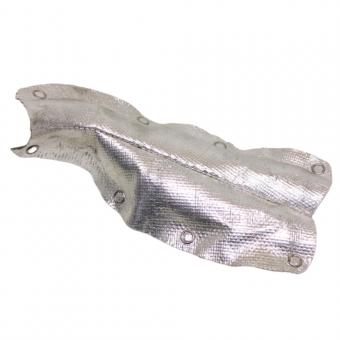
Özellikle kompakt park yeri ısıtma sistemleri için BSTFLEX'in ürünleri idealdir. Park Isıtıcısı Egzoz Borusu için Isı Yalıtım Kılıfı 24 mm'ye kadar borulara uygun ve 400°C'ye kadar sıcaklıklara dayanıklı olarak tanımlanan bu ürün, küçük ısıtıcı egzozları için doğrudan takılabilen bir seçenektir.
Genel ısı kontrolü için fiberglas kullanın.
Temel gereksinim esaslı olduğunda fiberglas çorap, yalıtım veya kılıf ürünleri kullanın.
egzoz borusu için izolasyon
ve ortam özellikle kötüye kullanıma açık değil.
Daha zorlu çalışma koşullarında silikon kullanın.
Montaj sırasında aşınma, sıçrama, yağ veya daha zorlu dayanıklılık gereksinimleri söz konusu olduğunda silikon kaplı egzoz kılıfı kullanın.
Genel amaçlı park ısıtıcı egzoz izolasyonu için genellikle fiberglas daha uygundur, silikon ise aşınmaya, sıçramaya veya daha zorlu hizmet koşullarına maruz kalan yerlerde daha iyidir.
Isı yalıtım performansı genellikle fiberglas tabandan gelirken, silikon dış katman esas olarak aşınmaya, yağlara, kimyasallara ve kullanım kaynaklı hasarlara karşı korumayı artırır.
BSTFLEX'in park ısıtıcısı egzoz borusu kılıfı, özellikle kompakt egzoz sistemleri için tasarlanmıştır, 24 mm'ye kadar olan borulara uygundur ve karavanlar, tekneler, araçlar ve güç ekipmanları için uygundur.
Isıtıcınızın tipini, egzoz borusu boyutunu, boru bağlantı fotoğraflarını ve ortam bilgilerini gönderin. Size doğru çözümü önereceğiz. egzoz borusu izolasyonu Otopark ısıtıcınız için seçenek ve hızlı fiyat teklifi.

No.10, Chuangxin North Road, Nanshan Park, Ningguo Economic and Technological Development Zone, Ningguo City, Anhui Province, China
tel/Whatsapp : 0086-15856303740
e-posta : sales@bstbraidedsleeve.com
Skype : vanesa-cheng